Winter Safety First: Our Winter Special is Here!

vent-busters-winter-special-schedule-v4
As temperatures drop and your dryer runs more often, now is the time to prioritize dryer vent safety. Heavy winter fabrics and constant use make this season especially risky for vent blockages. That’s why we’re offering our Winter Special — save $50-100 on professional dryer vent cleaning services through February.
Servicing thousands of dryer vents across the Greensboro area, I know winter brings unique challenges. 

Prices reduced by $50 through February 2026

Winter Special - Dryer Vent Cleaning

Schedule Now

Why Winter Demands Extra Attention for Your Dryer Vent

Peak Laundry Season Hits Hard

Winter brings the heaviest laundry of the year. Bulky sweaters, comforters, holiday linens, and winter gear generate far more lint than lighter fabrics. Your dryer runs longer and more frequently, which accelerates lint buildup in your vent system.

By mid-winter, many homes that had vents cleaned in early summer already show signs of restriction. Heavy winter materials produce significantly more lint fibers, creating buildup faster than you might expect.

Freezing Temperatures Amplify the Problem

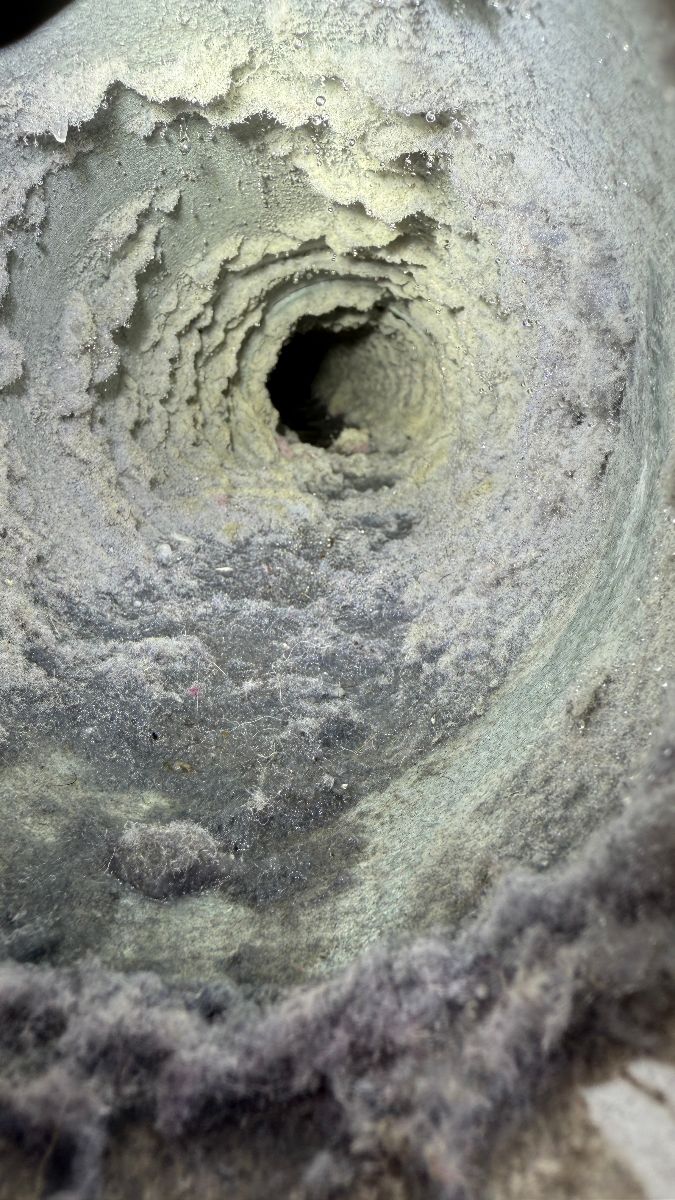
There’s a critical factor many homeowners miss. When frigid outdoor air meets the hot, humid exhaust from your dryer, condensation forms inside the vent. This moisture causes lint to adhere to the duct walls, transforming soft fibers into hardened deposits that are difficult to remove.

During winter cleanings, I often encounter lint that’s become rock-hard from moisture and cold. Once exterior vent openings freeze over, removing these deposits requires specialized equipment that most homeowners don’t have access to.

Your Dryer Works Hardest During Winter Months

Winter puts maximum strain on your dryer system. Bulky items need extended drying cycles, and any vent restriction dramatically increases drying time. I’ve documented cases where monthly energy costs increased by $50 or more due to blocked vents during peak winter usage.

The real concern is what happens when your dryer struggles against a blocked vent. The machine overheats, and internal components reach temperatures high enough to ignite accumulated lint. Most dryer-related fires originate inside the appliance itself, not in the vent ductwork. With continuous winter operation, this risk escalates significantly.


The Invisible Threat Building Up

dryer-vent-before-after-cleaning-comparison - Professional dryer vent cleaning results showing dramatic improvement in airflow and energy efficiency

Many people believe regular lint trap cleaning provides complete protection. While important, your lint trap only captures roughly 25% of the lint your dryer produces. The remaining 75% travels into your vent system, accumulating over time into a serious fire hazard.

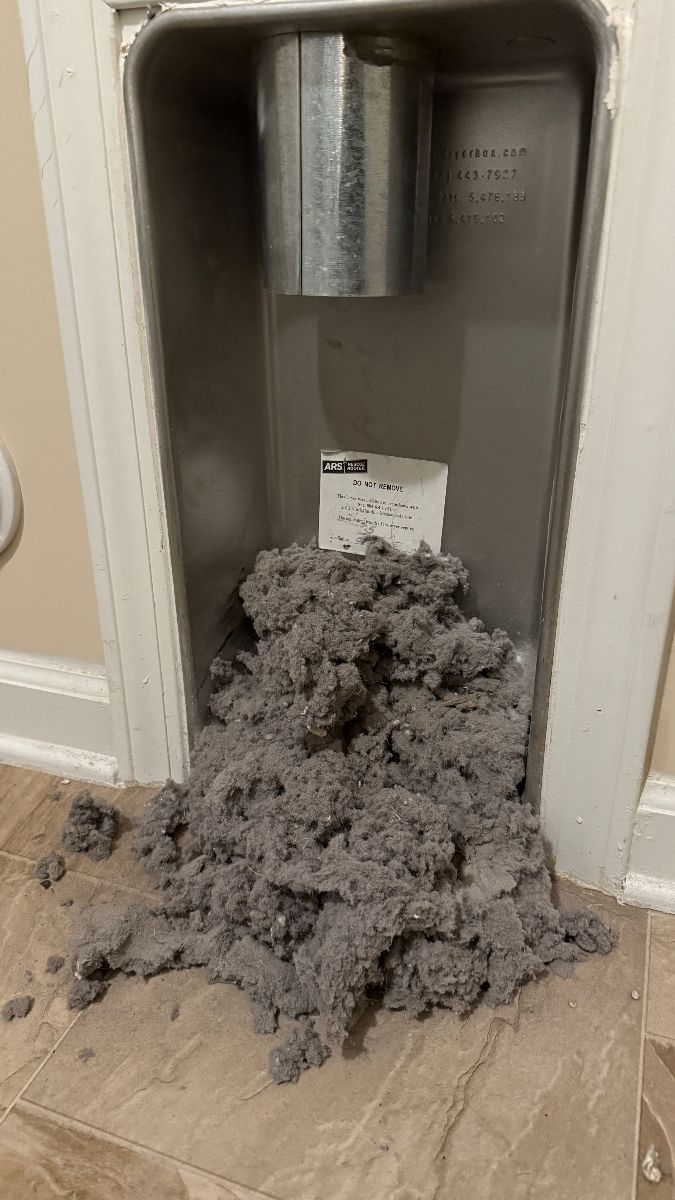
Last winter, I responded to a call where clothes required three full cycles to dry. Upon inspection, I removed over two full garbage bags of compacted lint from their vent system — from a household that maintained their lint trap religiously.

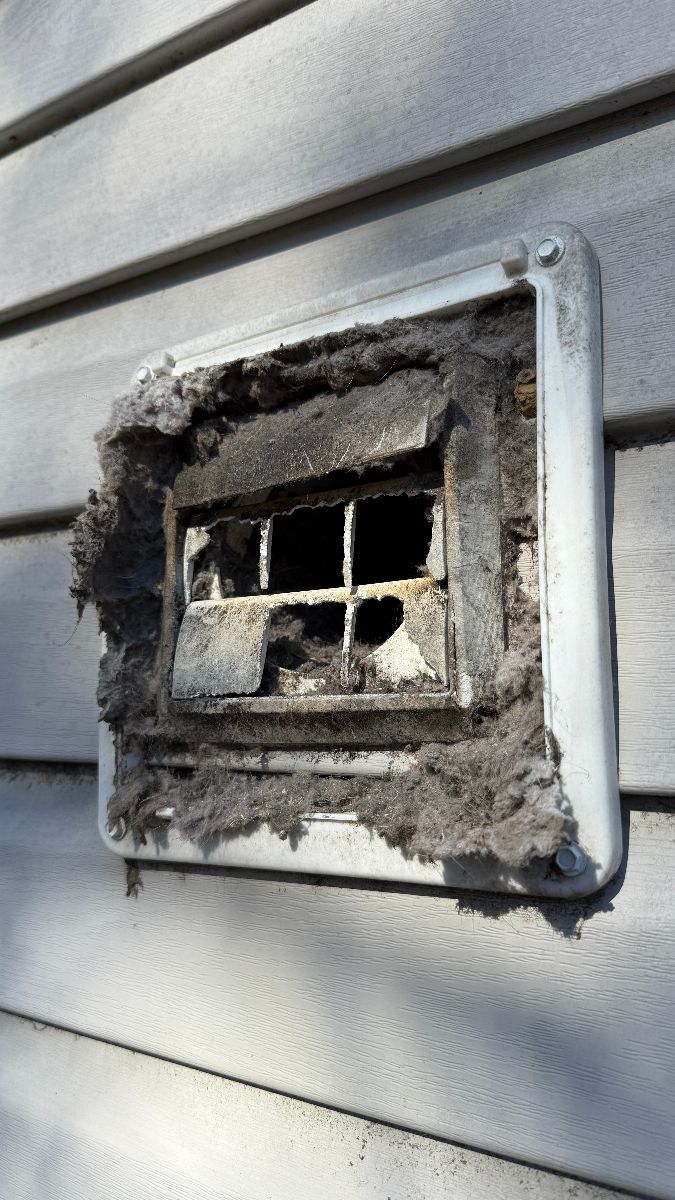
The danger lies in what you can’t observe. Lint accumulation occurs inside your walls, within ductwork that’s completely hidden from view. By the time you notice extended drying times, you may already have a significant fire risk developing.


Why Addressing This Now Matters

Winter months represent the highest-risk period for dryer vent issues. With everyone running their dryers constantly, those who deferred fall maintenance often face emergency situations. Once vents freeze over or become completely obstructed, you’re looking at urgent service needs during the coldest weather.

Addressing this proactively now prevents the stress of a non-functioning dryer during freezing temperatures. Take action before problems escalate.


Prices reduced by $50 through February 2026

Winter Special - Dryer Vent Cleaning

Schedule Now

What Our Winter Special Includes

Through February, we’re providing $50-100 savings on our standard dryer vent cleaning services. Our transparent flat-rate pricing ensures you know your total cost upfront — no hidden fees or unexpected charges.

My service goes beyond basic vent cleaning. I thoroughly clean your dryer’s interior components, including the lint trap housing and blower assembly — areas where fires commonly originate. Many competitors skip this step because they lack appliance expertise, but these internal areas represent the greatest fire risk.

I also inspect your transition hose, the flexible connection between your dryer and wall duct. These hoses frequently become crushed, develop tears, or are constructed from inappropriate materials. Even a perfectly clean vent can’t function properly with a compromised transition hose.

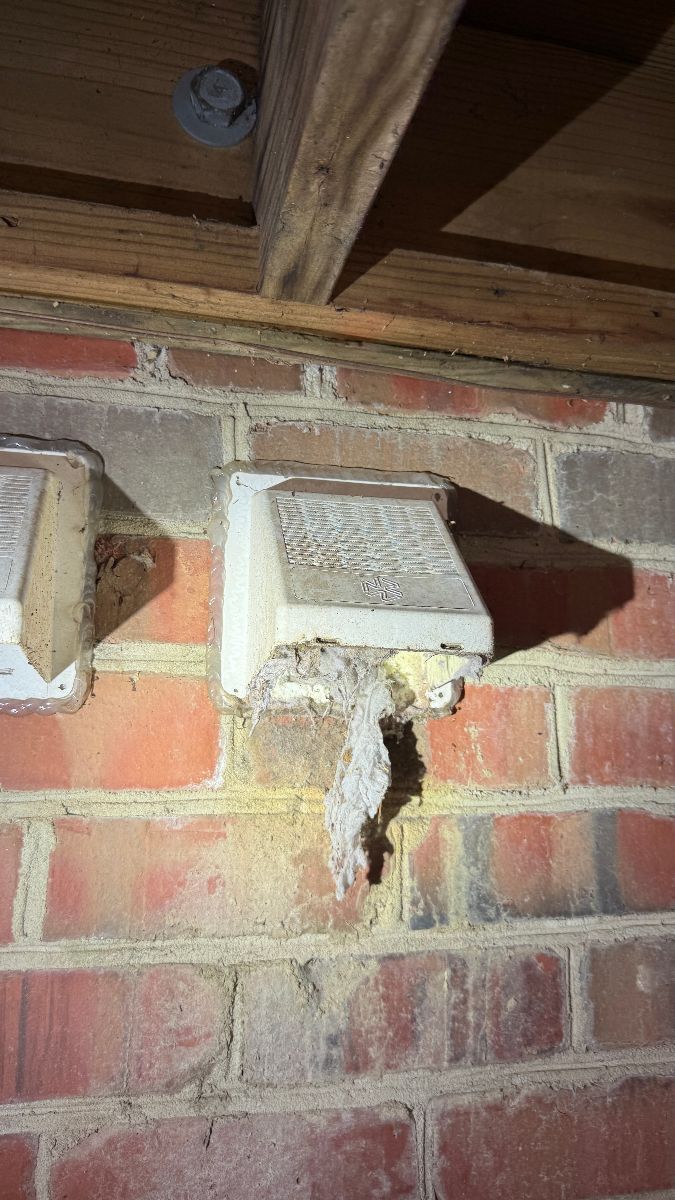
Your exterior vent cover receives careful attention too. These openings attract nesting animals, and damaged or missing covers allow precipitation and wildlife entry. I ensure everything is properly sealed and winter-ready.


Signs You Need Service Now

If you’re seeing any of these warning signs, don’t wait for our winter special. Call immediately:

  • Clothes taking more than one cycle to dry completely

  • Your dryer feels hot to the touch on the outside

  • Any burning smell when the dryer is running

  • Lint or debris around the outside vent cover

  • Your laundry room feels humid or warm when the dryer is running

These are all signs that your vent is restricted and your dryer is working too hard.

Act Before You Face an Emergency

Based on years of experience, customers who address vent maintenance proactively avoid January emergency calls. Those who delay until problems arise often pay premium rates for urgent service during freezing conditions when their dryer fails completely.

Our Winter Special pricing applies only through February. As severe cold weather arrives, service demand spikes simultaneously. Secure your savings now while ensuring your family’s safety throughout the remaining winter months.

Schedule online, call us at (336) 899-8001, or email us. Protect your home and family from the risks of a neglected dryer vent this winter.
Stay warm and stay safe — a properly maintained vent protects your home.