

We talk laundry with homeowners almost every day. These are the five things we bring up most. They’re simple, and they line up with what we see inside washers, dryers, and dryer vents.
We link to a few products on Amazon below. If you buy through those links, we may earn a small commission at no extra cost to you.
1. Less soap (and go easy on the smelly stuff)
Too much soap is hard on the washer and the dryer. Modern HE washers are built to use less water and less detergent. That’s what the “HE” is about. When you overdo detergent, it doesn’t all rinse out. It leaves residue on your fabrics, and we find that residue makes lint stickier. In our experience, how much soap people use lines up with how much lint builds up in the dryer vent.
The same idea applies to heavy fabric softener and strong “fresh scent” additives. The more of that goes into the wash, the more film and residue you’re asking the machine to deal with. That can make the washer work harder and it’s not great for long-term wear on the appliance.
Pods: We usually skip them in washers and dishwashers. Pods are wrapped in a film that’s supposed to dissolve. Sometimes it doesn’t, or only partly, and we’ve seen that end up in drains or stuck in the washer’s drain pump.
Detergents we like
- Charlie’s Soap laundry powder — we put the powder straight in the drum.
- all Free & Clear liquid
- Persil Free & Sensitive
- Kind Laundry detergent sheets — we’ve also written about laundry detergent sheets if you want more context.
Or any other Free & Clear liquid or detergent sheet you trust. The theme is less fragrance, less residue, and following the dose on the label (especially in HE machines).
What we steer clear of
We’re not saying these brands don’t clean clothes. We’re saying heavy perfume and in-wash boosters fight what we want in the laundry room: less sticky lint, less buildup, and an easier life for the washer and dryer.
- Gain Lavender and other heavily scented Gain lines
- Tide Original and other strong-fragrance Tide lines
- Downy Unstopables and similar in-wash scent boosters
2. Dryer sheets: use fewer, and keep the lint screen clean
Dryer sheets are easy to overuse. A sheet leaves a thin waxy layer on fabric. That’s how it cuts static. It also coats the inside of the dryer drum. You often don’t need multiple sheets, and depending on the load you might not need one at all. Sheets and towels: a sheet can make sense. Gym clothes and synthetics: we usually skip it.
If you still use dryer sheets, we like all Free & Clear dryer sheets for sensitive skin and less perfume than the heavily scented options.
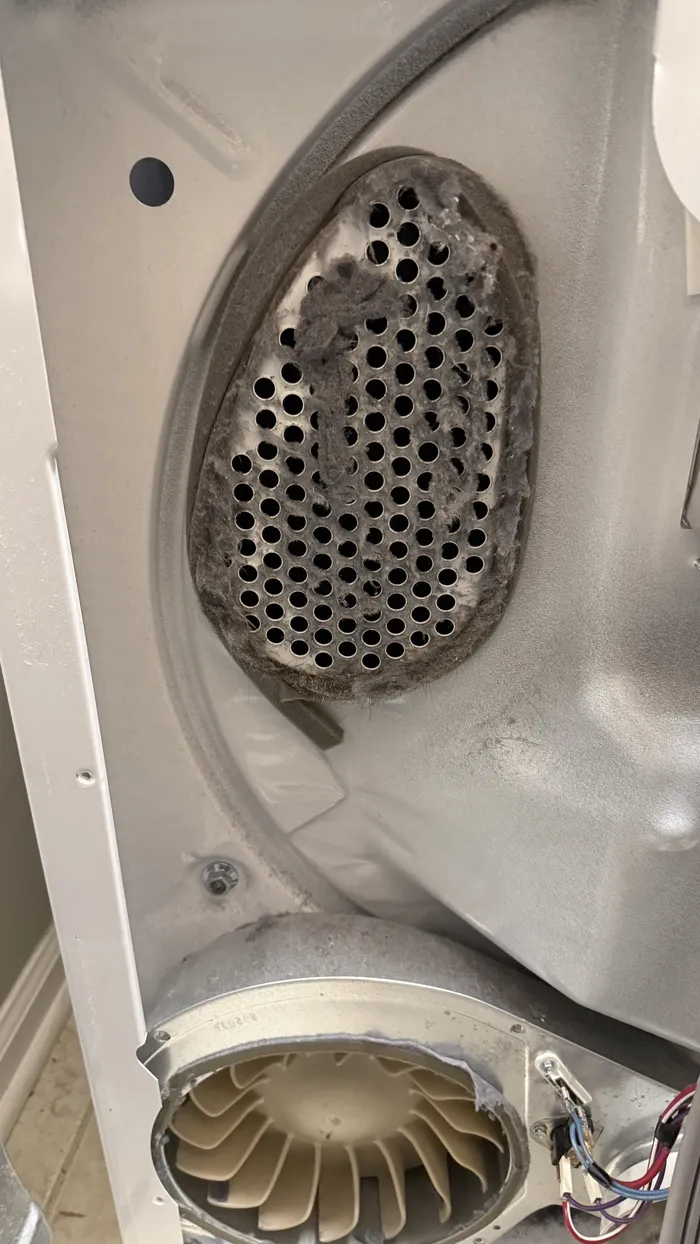
Lint screen maintenance: If the screen feels greasy or you get a film that doesn’t lift off with the lint ball, wash it at the sink. A little dish soap, light scrub, rinse well, pat dry with paper towels. That grime is often dryer sheet buildup mixed with excess soap. Air has to pass through that screen before it ever gets to the vent. A gunked-up filter behaves a lot like a restricted vent.
Pro tip: Don’t “clean” the lint screen by rubbing it with a dryer sheet. You’re just adding more wax to the mesh.
3. Protect the tops of your washer and dryer
Appliances are expensive. Laundry baskets and random stuff on top scratch the paint. Once the top is scratched, it can rust. Suddenly a set you paid serious money for looks beat up.
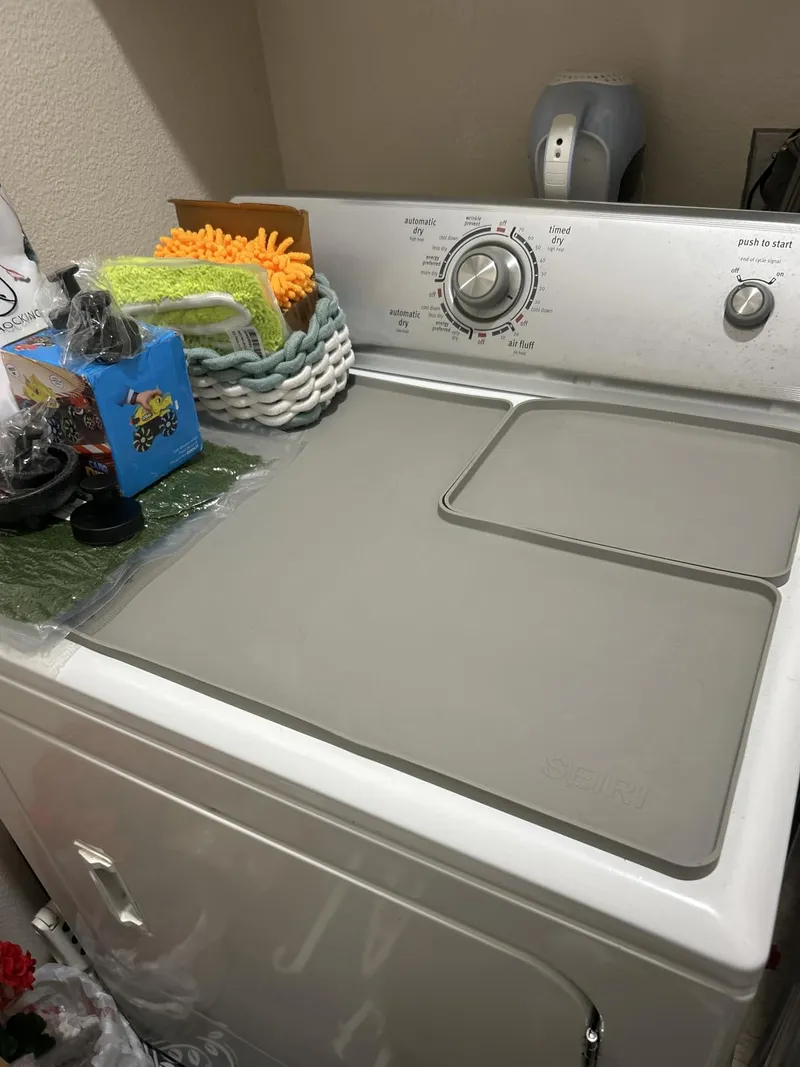
Simple fix: a washer/dryer topper. Silicone mats and fabric covers are easy to find. They protect the paint or hide older scratches and rust from before you knew better.
Here’s one style that fits a lot of dryers: silicone dryer top mat with a lint-trap cutout. There are many sizes and shapes on Amazon depending on brand and model, so measure your top and read reviews before you order.
4. Lint dust everywhere behind the machine isn’t “just house dust”
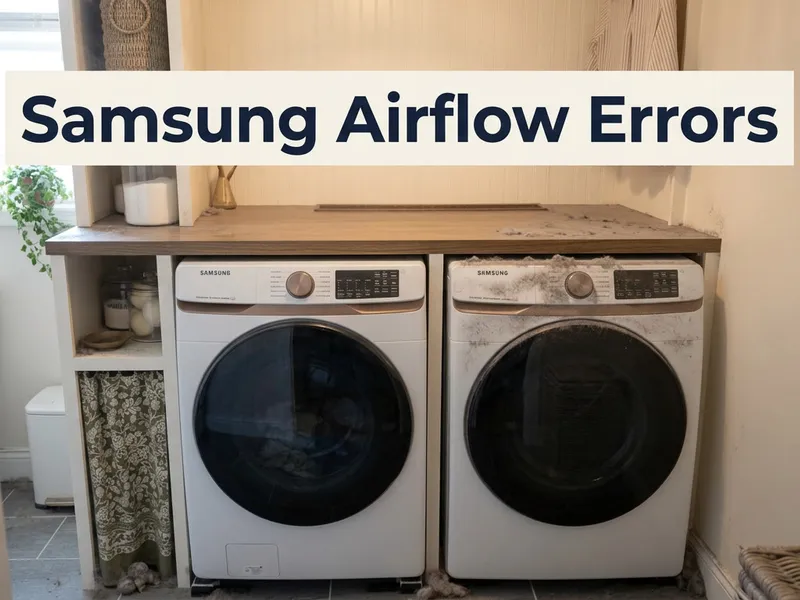
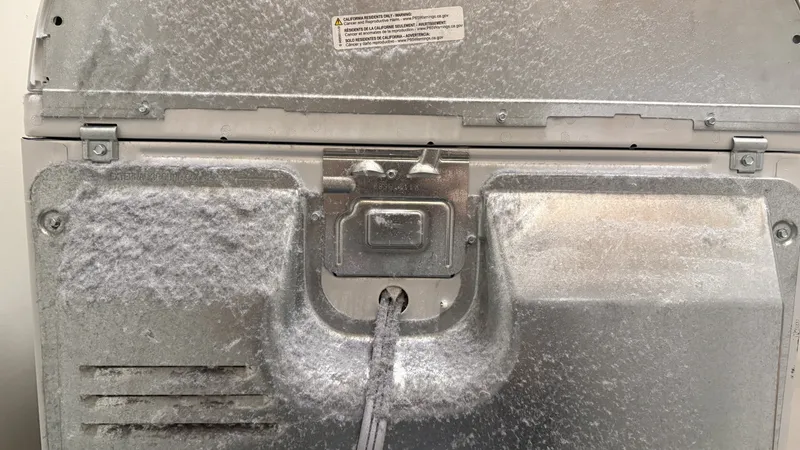
A little dust behind the dryer or between the machines is normal. Even tidy homes miss those spots. What isn’t normal is heavy lint on the wall, baseboards, cabinets, the back of the machines, or the console. If you’re seeing more than ordinary house dust, we treat that as a red flag.
Dryers pull makeup air through the back. If the vent isn’t connected right and lint is blowing out behind the machine, the dryer can pull that lint back in with the air. It ends up on the heater and other internal parts. That’s a fire risk, and we see it a lot. We go deeper on the same idea in why is my laundry room so dusty?
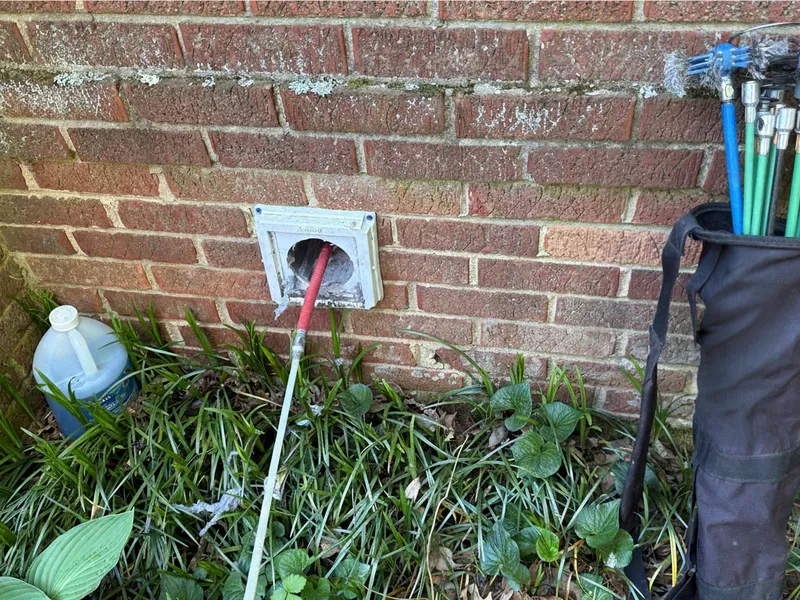
If your laundry room looks like that, it’s worth having someone check the dryer vent connection and the full vent path, not just the lint screen.
Worried about lint or vent airflow?
Schedule a dryer vent check
We serve the Triad and can inspect the connection, airflow, and vent run.
Book online5. Dry towel with wet towels (faster, more even drying)
When you dry a load of wet towels, toss in a dry towel too. The dry towel helps move moisture around the drum so the load dries more evenly. We’ve seen shorter dry times with the same heat setting. We keep one towel in the laundry room just for this.
Quick recap
- Less detergent, mild products, skip pods if you’ve had residue or pump issues.
- Fewer dryer sheets; wash the lint screen when it gets filmy; don’t wipe the screen with a sheet.
- Topper to protect (or cover) washer and dryer tops.
- Lint dust coating the laundry area often means a vent connection problem; get it checked.
- Dry towel + wet towels for a quicker, more even dry.
When you’re ready to book, schedule online or reach us through contact.